




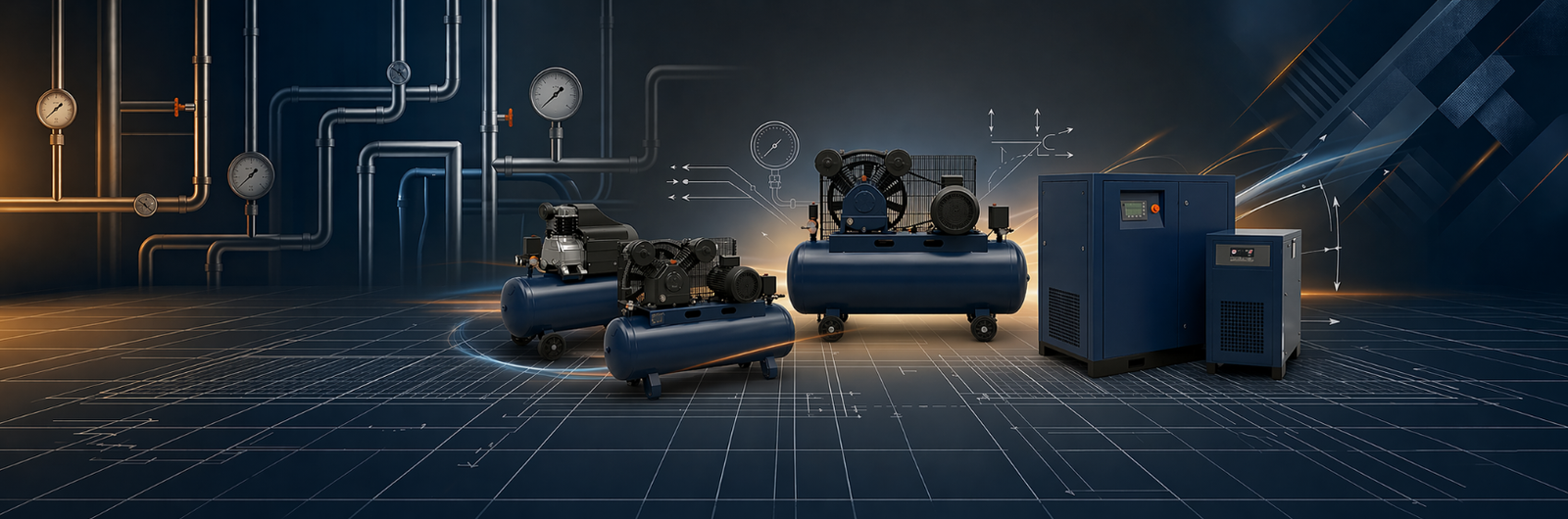
Two booths this year. 18.1L19 for compressed air, 18.1N01 for fans. Same hall, two minutes apart on foot.
It runs five days, October fifteenth to the nineteenth, 2026. The complex sits on Yuejiang Zhong Road in Guangzhou. Hall 18.1 is where you will find us.
Start at L19 if compressors are on your list. Start at N01 if ventilation is the problem. If both are on the list, walk between them. That is the whole reason we took a second booth this time.
At 18.1L19
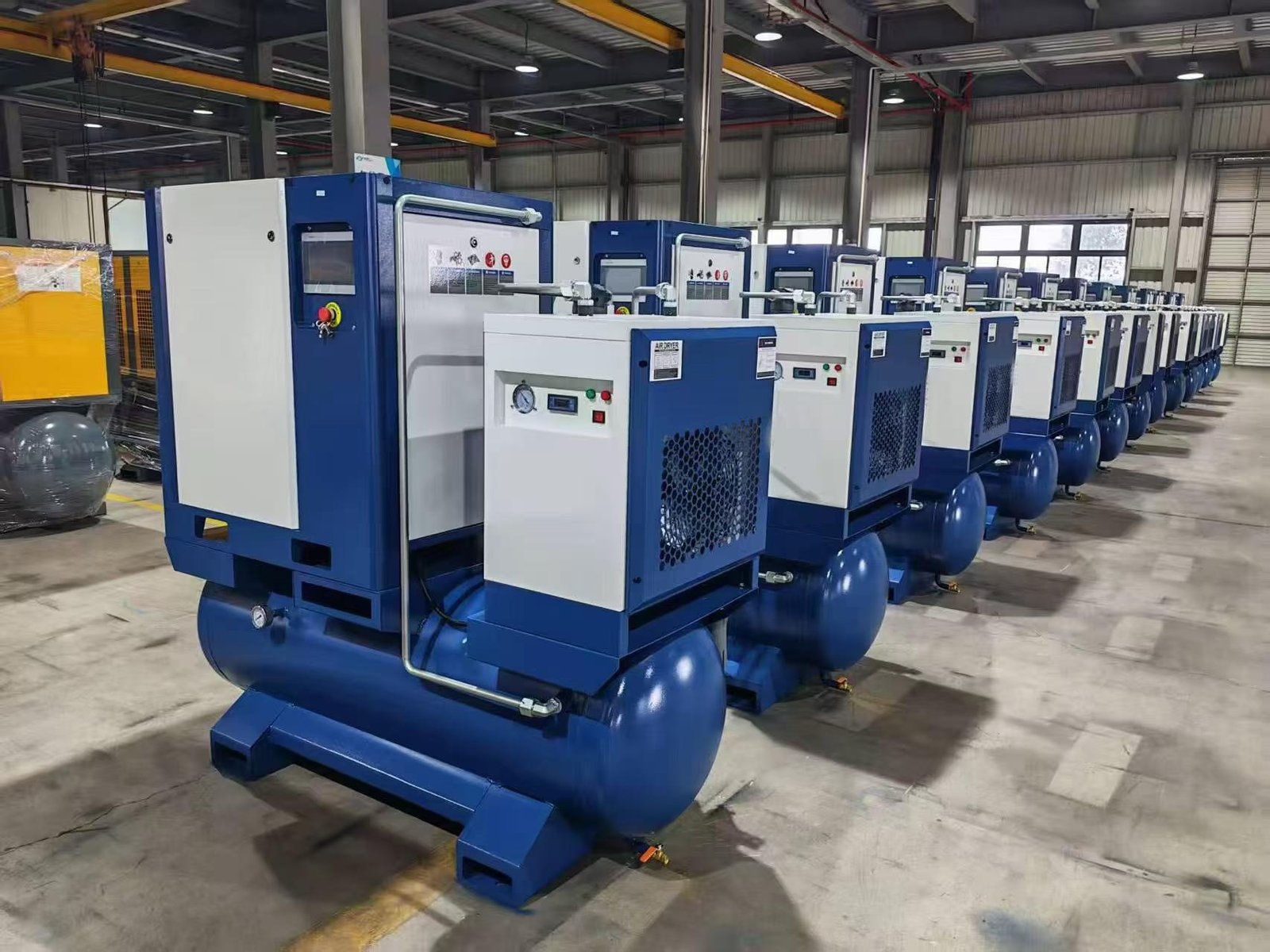
The stand carries the whole screw range, belt-driven units at the small end and two-stage models at the top. Running where the hall rules allow it, open for inspection where they do not.
Dryers too, refrigerated and desiccant depending on how low the dew point has to go. Receivers. Plus the filtration that sits ahead of and behind them.
A machine you can hear and put a hand on answers things a catalogue cannot. Sound level at three metres. Footprint against your existing room. Where the service points sit. How far the panel door swings, and whether there is room for it to swing. Questions nobody puts in a slide deck. Much easier to settle with the machine in front of you.
The range is online if you want to study it first: screw air compressor series. Same specifications we will have on the stand.
At 18.1N01
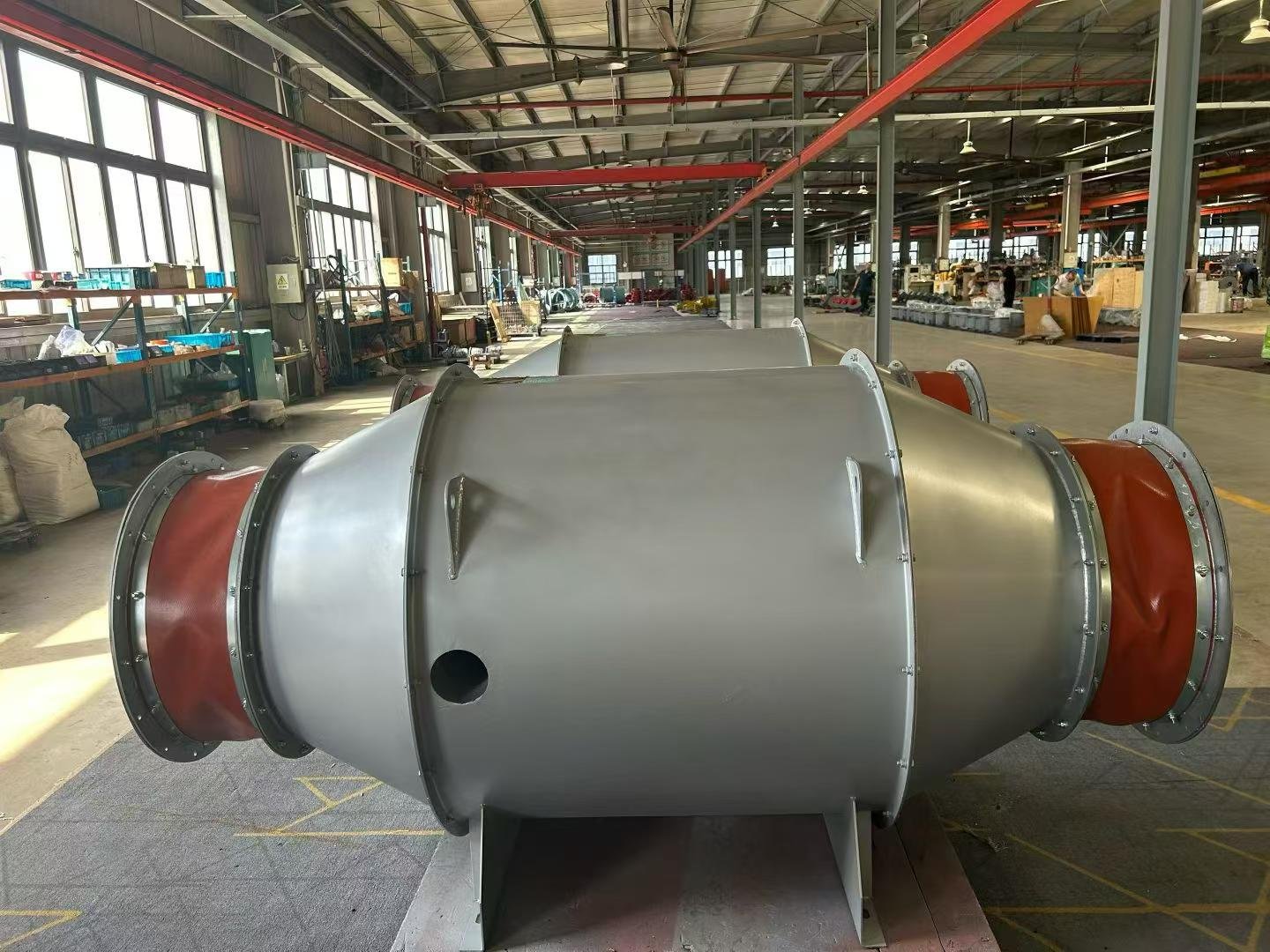
Fans. Centrifugal for ducted systems, jet fans for tunnels and car parks, axial units, industrial blowers in several sizes.
Plenty of visitors will not know we make these. They met us as a compressor company, and it is the same factory and the same engineering team behind both. A compressor room needs air in and air out. That fan usually comes from a different supplier, which is the gap we are trying to close. We would rather it came from the same place as the machine that makes the heat.
The last edition we exhibited, that question came up often enough to justify a booth of its own.
Why we come back
The Canton Fair is not new to us. The 138th was a few months back, and we signed for the 140th before the paperwork from the last one had gone cold.
Foot traffic is not what brings us back. The long conversations are. Email cannot hold a duty cycle discussion, or a loading pattern, or what the site really does at three in the afternoon when the ambient is at its worst and the line is at full rate. You do not get to that over a spec sheet exchange.
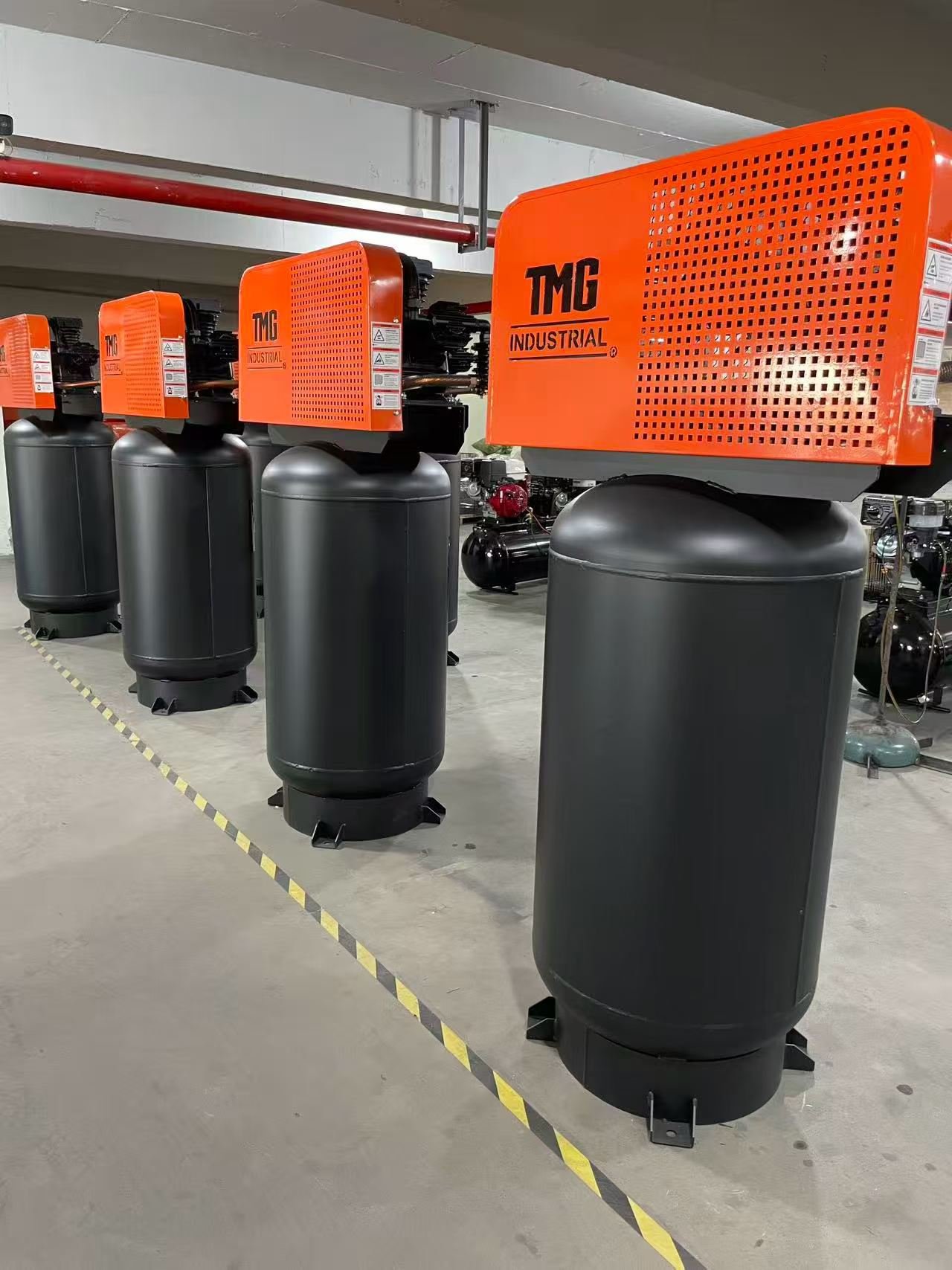
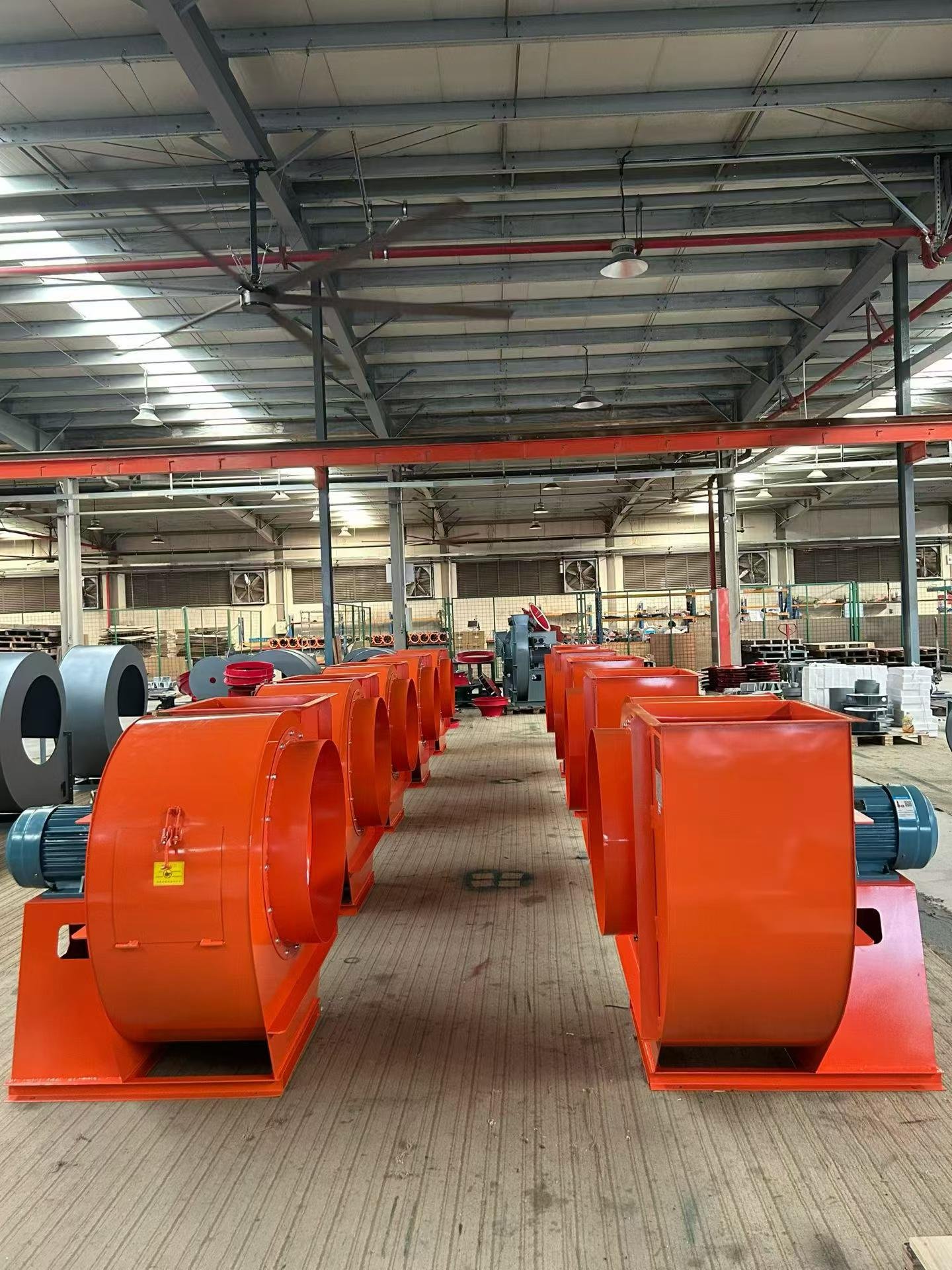
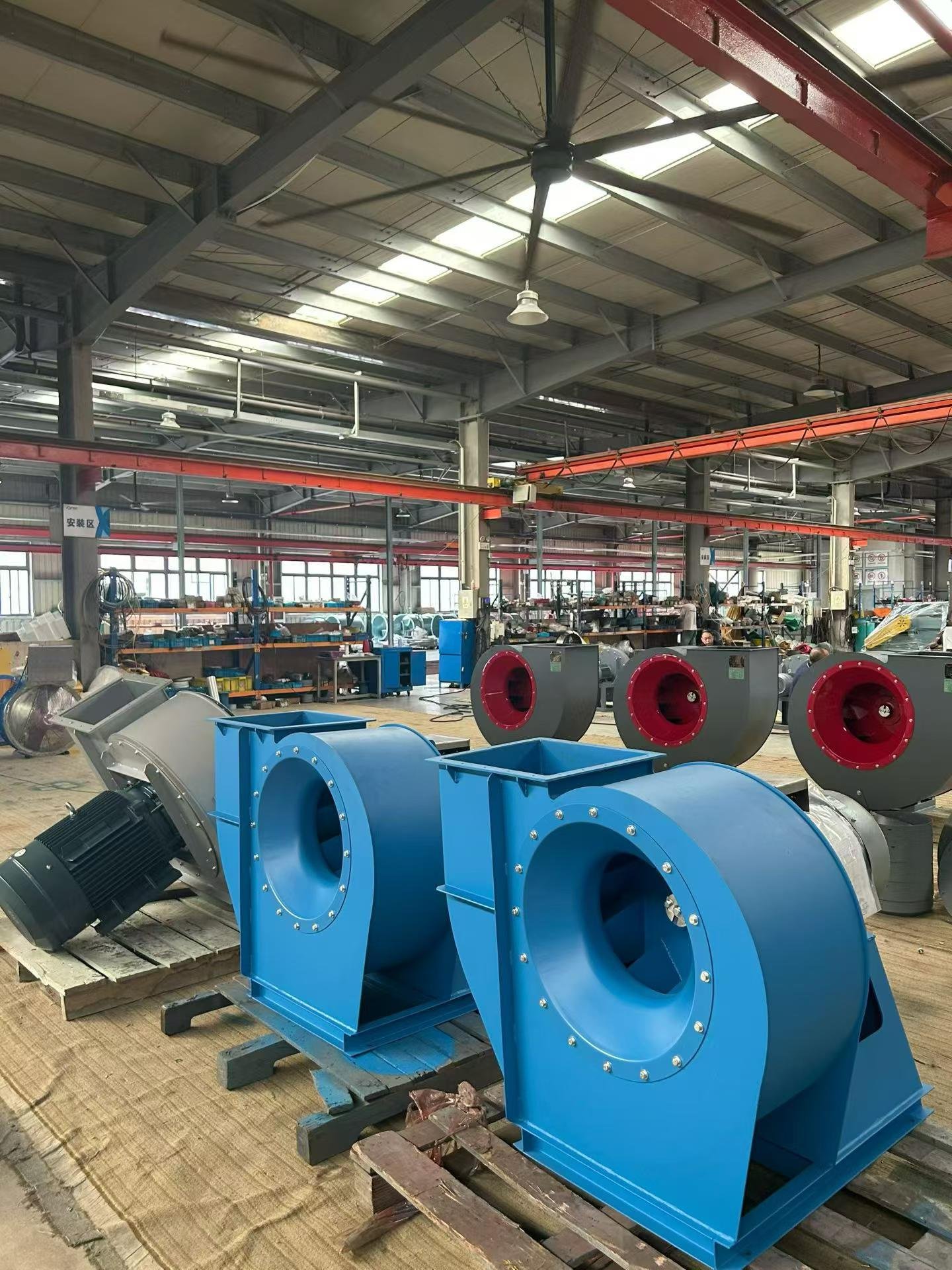
Preparation started weeks ago. The machines you will see were assembled and run-tested, then partly broken down for crating, which is why the production floor looks emptier than usual in the photographs below. Every unit gets a test run before it is packed, and every one is photographed, so the machine that arrives can be compared with the machine that was on the stand.
Bring three numbers
Working pressure. Flow in m³/min. How the plant actually runs, shifts per day, steady load or spiky.
With those three we can size something on the spot. Fixed speed, VSD, or a piston unit where the duty is light and intermittent.
Air treatment tends to get forgotten until the first dew point problem shows up on the line. If your air already carries water, ask about the compressed air dryer options we will have on display.
Practical
The people on both stands come from the factory, no trading desk in between, so technical questions get answered on the spot. Anything we cannot settle goes back to the engineers that same week and the answer comes to you.
If you would rather have a fixed time, send a note through the Kontaktseite and we will hold a slot. Turning up without one works as well, at either booth. Background on the plant is on the about page if you would rather read before you travel.