




Nine shops out of ten run eight bar. Ask who decided that and you get a shrug. The gauge was already there when the fitter arrived, the tools never complained, so nobody touched it.
It’s almost always more than the work needs. You pay for the difference every hour the motor turns.
Turn a tool over and read the stamp
There’s a stamp near the air inlet on most pneumatic tools. A nailer will say 6.3 bar. An older imperial one says 90 psi, which is the same thing in different clothes. Staplers, blow guns, small cylinders, air motors, they all sit around that number.
That’s a working pressure. Pressure at the tool, with the tool running. Not at the compressor. Not on the screen in the plant room.
Here’s where it goes wrong. Tool says 6.3. Compressor says 8. Looks like 1.7 bar of spare room.
It isn’t spare. It’s already promised to something else.
The journey eats it
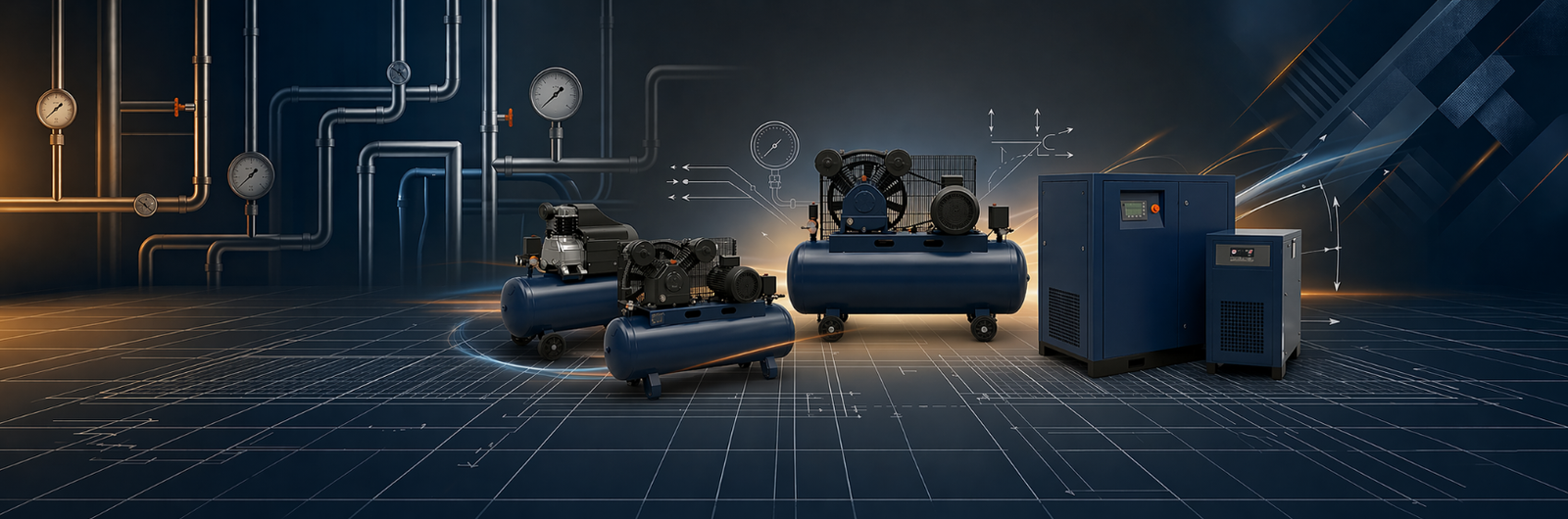
Air leaves the plant room at 8 bar. Between there and the tool it meets a dryer, a filter set, pipe, elbows, couplers, a hose.
Dryer takes 0.2 to 0.3 bar. Clean filters, another 0.2. Loaded filters, 0.5 and sometimes worse. Twenty metres of undersized pipe with four elbows, half a bar without breaking a sweat. That long thin hose at the end takes its cut too.
Do the sums. Half a bar gone on a good day. A whole bar gone on an old system where nobody has opened the filter housing since last winter.
Then flow makes it worse, and this is the part people miss. Loss climbs with the square of flow. Twice the air through the same pipe doesn’t double the loss. It roughly quadruples it.
One station works. Add a second and both tools go soft. Nothing inside the compressor changed. The pipe simply ran out of room.
Wrong lever, in that case, is pressure. A bigger line, a shorter route, a filter that isn’t half blocked, those fix it. Winding the regulator up just makes the machine strain against the same bottleneck. We put the arithmetic in a separate piece on pipe sizing, because this question lands in the inbox most weeks.
Eight bar is a habit, not a rule
Nothing sacred about the number. It’s a habit with a history.
Ninety psi, the old imperial working pressure, converts to 6.2 bar. When the metric world took over, 6.3 became the stamp on the tool. Compressor makers picked a discharge rating a step above, and 8 bar became the standard package in Europe and Asia.
The logic underneath is sound. An 8 bar package holds 6.3 at the tool through a normal installation with normal losses. That margin was never meant as working pressure. It was meant to be spent on the way to the tool.
Then the habit hardened, because 8 bar is what sells. Distributors stock it. Manuals assume it. Nobody gets sacked for ordering it. None of which makes it right for a shop that only runs nailers.
Three stations, one gauge
Picture a small shop. A framing nailer, a blow gun, one impact wrench for truck work. Nailer and gun want 6.3. The wrench wants 8 at the tool when a nut is rusted on, and it gets used ten minutes a day.
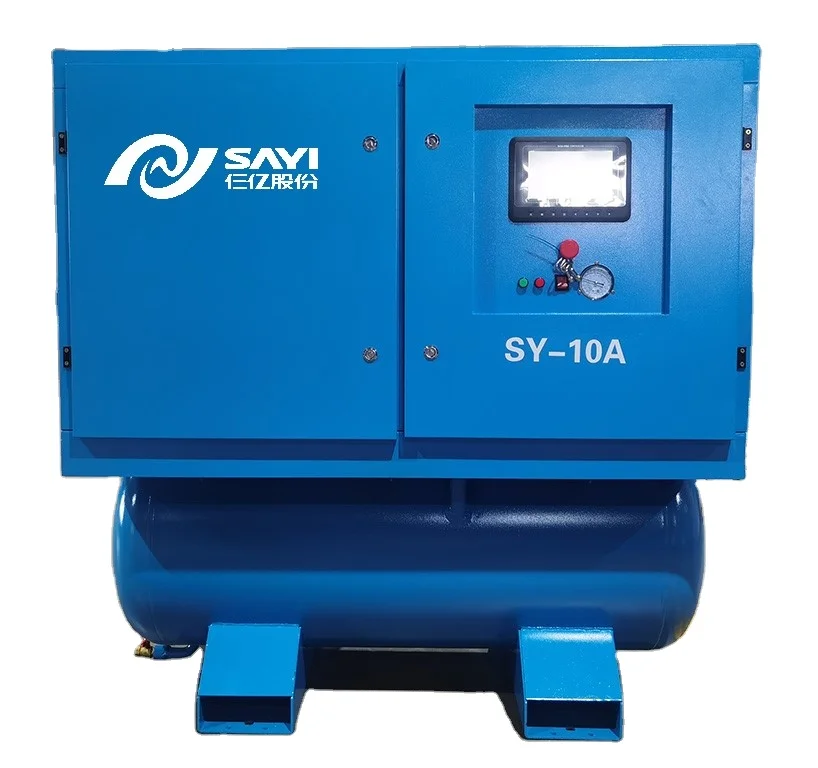
The compressor is a 22 kW screw, set at 8 bar. Pipe runs 15 mm across forty metres. Gauge at the far station reads 6.4 with the nailer going, then drops to 5.6 the moment the wrench fires.
Three ways out of that. Crank the compressor to 9 bar, and the wrench gets fed at a permanent cost to everything else. Replace the last twenty metres with 25 mm pipe, and most of the drop vanishes. Or shift the machine closer and leave the setting alone.
Pipe costs a day of labour and a bag of fittings. Pressure costs money every hour, forever. That comparison isn’t close, and yet the screwdriver wins, because it takes ten minutes and nobody has to book a fitter.
The one-bar rule
Highest tool pressure in the shop. Add one bar. That’s your discharge setting.
One bar buys you the dryer, a clean filter set, a sensible pipe run and a little slack for the day the filter isn’t clean. Big building, or tools a long way from the plant room? Make it 1.5.
Three is not a safety margin. Three is an operating cost you agreed to without noticing, and the machine collects it on every revolution.
What the extra bar actually costs
Higher pressure takes more work. Somewhere between 7 and 10 bar, the rule of thumb across the industry is 7 percent of shaft power for each bar you add.
Eight to ten isn’t a tweak. Call it 14 percent more energy. And because the machine is positive displacement, it also hands you less air at the higher setting. More money, less product.
Money, then. A 22 kW screw on two shifts, five days a week, burns near 4,000 kWh a month at part load. Fourteen percent of that is several hundred kilowatt hours. Monthly. For headroom nobody uses.
Wear tracks the same curve. Higher ratio, more heat through the airend, more load on the bearings, oil that gives up sooner. Hold a machine at 12.5 bar when the plant wants 7 and it ages faster than the service book assumes. That oil interval was written for a pressure band, not for whatever the dial happens to read.
Every unit we build runs on the test bench before it ships, and the pressure switch gets set there, to the figure on the order. Change that figure later without changing anything else and you’re asking the machine to do a job it wasn’t set up for.
Seven bar machines aren’t the weak version
Same frame, same motor, different rating. The 7 bar screw delivers more air from the same power because it works against a lower ratio.
If nothing in the shop needs over 6 bar at the tool, the 7 bar machine is the better buy. Cheaper to run, more flow. The catch is headroom. Long run, dirty filter set, and 7 bar at the outlet leaves you short at the far end.
Which is why the order matters. Measure first, choose the rating second. Not the other way round.
Where high pressure earns its keep
Some work genuinely needs it. A rusted nut on a truck often wants 8 bar at the wrench before it moves. Tyre shops inflate at 8 or 10 and want speed. A few plasma cutters and special cylinders ask for 10.
Two-stage machines exist for this. Reaching 12.5 bar in a single stage runs hot and wastes energy, so the second stage takes a share of the ratio. Our two-stage piston range is built that way, cast iron pump turning slowly enough to survive the duty.
If the job needs 12.5 at the tool, buy a machine designed for 12.5 and treat the energy as part of the price.
Buying 12.5 “for the future” and regulating down to 6.5 at every drop doesn’t work. The compressor still makes 12.5. The regulator has to dump that gap somewhere, and heat is where it goes. You are billed twice. Once for making the pressure, and again for the valve that throws it away.
Pressure picks the technology
A single-stage lubricated screw is happy between 7 and 10 bar, and starts to struggle above that. Ask the same machine for 12.5 and the compression ratio gets awkward. Discharge temperature rises, efficiency falls away, and the oil takes the strain. That is the reason high pressure almost always comes with two stages, whether screw or piston.
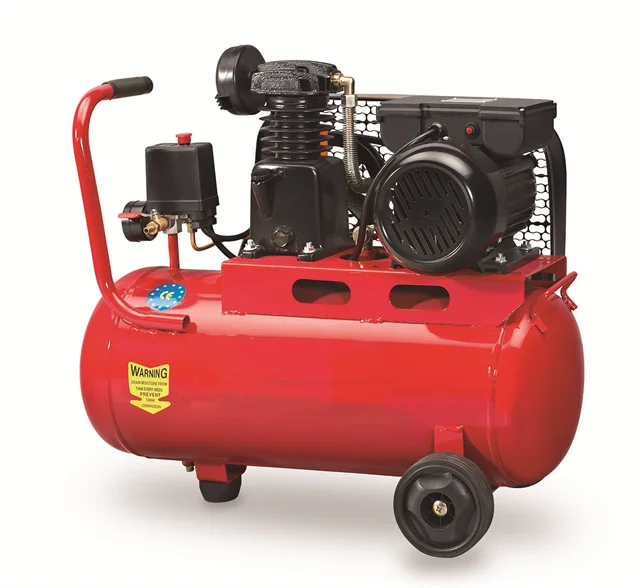
Down at the other end, a small piston unit is cheap to buy and easy to fix. Put it on continuous duty and it runs hot and loud. Scroll machines are clean and quiet, but you will not find many rated above 10 bar.
Match pressure to technology before you match it to the budget. Our screw range covers the 7 to 10 bar band where most workshops actually live, fixed speed and variable.
Put a gauge on the worst station
One number matters. Pressure at the tool inlet while the tool is working. Not idle. Not at the compressor. Not on the display.
Pick the worst station in the building, either the one furthest away or the one that draws the most air, and tee a gauge in there. Fire the tool and watch the needle.
Hold 6.3 or above, the system is fine whatever the compressor is doing. Sag to 5.5 on every stroke, the tool will be weak and slow, and no amount of compressor pressure fixes a pipe that can’t carry the flow.
Write the numbers down while you are there. Date, station, pressure with the tool running, pressure with it idle. A page of those over a year tells you more about the system than any brochure.
Ten minutes with a gauge ends arguments that otherwise run for weeks. It also tells you whether you need a bigger machine or a better installation, and those are very different cheques.
Where this leaves you
One bar above the highest tool requirement. Clean filters. Pipe chosen for the flow, not for whatever thread happens to be on the compressor outlet.
Buy high pressure for a tool that genuinely asks for it. Not for a future that may never arrive. The rest leaves through the meter and buys the work nothing.